How to Protect Your Smile From a Dental Emergency in Aurora
A dental emergency rarely starts as a dramatic event. More often, it begins with something small that gets ignored. A cracked molar from chewing ice. A dull ache under an old filling. Gum swelling that seems manageable until it suddenly is not. By the time pain becomes sharp or visible damage shows up in the mirror, the situation can feel urgent and expensive.
That pattern is why prevention matters so much. If you want to avoid a frantic search for a Dental Emergency Aurora provider on a weekend or late evening, the best strategy is not luck. It is maintenance, timing, and a few smart habits that lower your odds of needing immediate care in the first place.
People often think of dental emergencies as unavoidable accidents, and some certainly are. A sports injury, a fall on icy pavement, or a hard Dental Emergency Aurora Dental Emergency Aurora hit from a wayward elbow can happen even to careful adults. But in practice, many true emergencies have roots in ordinary neglect. Small cavities become infections. Worn teeth fracture. A crown that felt slightly loose for months finally comes off while eating dinner. The emergency is real, but the warning signs were usually there.
What actually counts as a dental emergency
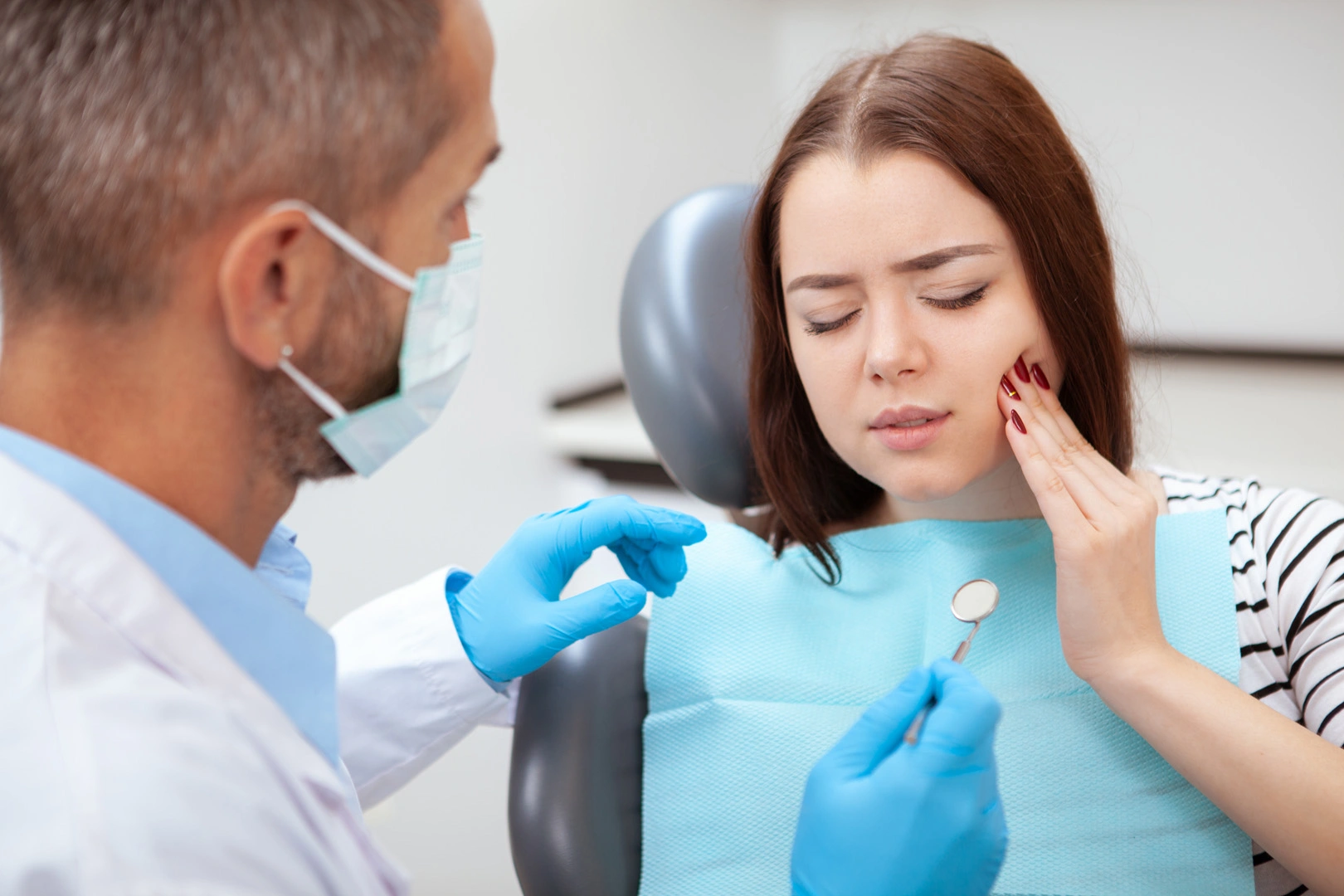
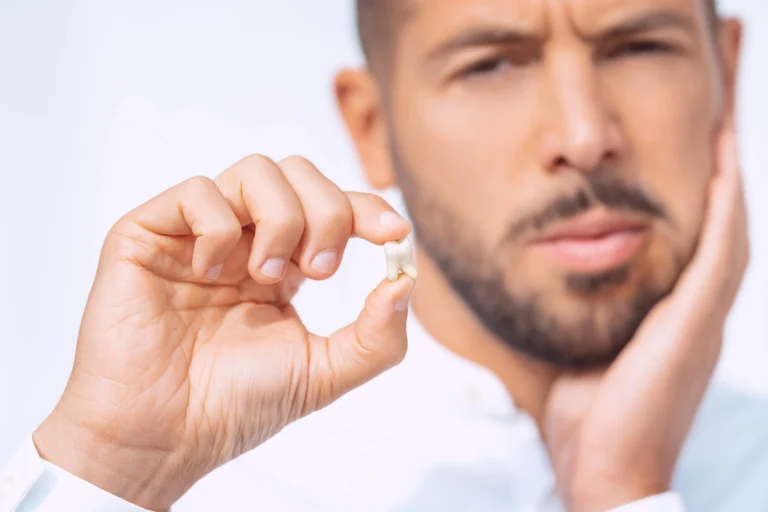
Before talking about prevention, it helps to define the problem clearly. A dental emergency is not just any tooth discomfort. It usually involves one of three things: severe pain, active infection, or trauma that affects the tooth, gums, or jaw. Bleeding that does not stop, facial swelling, a knocked-out tooth, a broken tooth with exposed nerve tissue, or an abscess all deserve prompt professional attention.
Some situations feel dramatic but are less urgent. A small chip with no pain may need a quick dental visit, though not necessarily same-day treatment. A lost filling matters because it leaves the tooth vulnerable, but it is not always an emergency in the middle of the night. The challenge is that people often misjudge which category they are in. They wait too long with the serious issues and panic over the minor ones.
That uncertainty is one reason prevention should focus not only on teeth, but on awareness. Patients who know what warning signs look like tend to act earlier, when treatment is simpler and less invasive.
The most common pathways to an emergency
In day-to-day practice, dental emergencies tend to grow out of a handful of recurring problems. Tooth decay is one of the biggest. A cavity does not stay politely on the surface forever. Given enough time, bacteria travel deeper into the tooth, inflame the nerve, and can eventually create pressure, throbbing pain, and infection around the root. At that stage, what could have been a filling Dental Emergency Aurora may turn into root canal therapy, extraction, or urgent drainage.
Old dental work is another common weak spot. Fillings, crowns, and bonding do not last indefinitely. Even high-quality restorations age under constant pressure from chewing, temperature changes, grinding, and acidic foods. If they loosen or wear down, the tooth underneath becomes more likely to crack or decay.
There is also trauma, which includes more than contact sports. Children tumble on playgrounds. Adults bite unexpectedly hard on olive pits, popcorn kernels, or unpopped corn. Winter conditions create another hazard. Slips and falls can transmit a surprising amount of force into the mouth and jaw. In cities like Aurora, where icy sidewalks and parking lots are part of life for part of the year, that risk is not theoretical.
Then there is bruxism, the unconscious clenching and grinding that many people do while sleeping, driving, or working at a desk. Patients often underestimate how destructive this habit can be. Night after night, it can flatten enamel, strain jaw joints, crack fillings, and create fractures that seem to appear out of nowhere.
Your daily habits matter more than your best intentions
The most reliable way to protect your smile is not a dramatic intervention. It is consistency. Brushing twice a day with a fluoride toothpaste, cleaning between the teeth, and seeing a dentist on schedule sounds ordinary because it is. It is also what keeps small damage from turning into pain.
Flossing is a good example. People tend to think of it as a cleanliness issue, but clinically it is a structural issue too. Decay between the teeth often progresses without obvious symptoms because you cannot see it in the mirror and may not feel it until it has advanced. By the time food starts packing into the contact area or sensitivity appears, the lesion may already be significant. Daily interdental cleaning lowers that risk.
Hydration helps more than most people realize. A dry mouth is not just uncomfortable. Saliva protects enamel, buffers acid, and helps control bacterial activity. If you take medications that cause dryness, breathe through your mouth at night, or spend time in heated indoor air during colder months, you may be at higher risk of decay and gum irritation. Sipping water throughout the day and discussing dry mouth with your dentist can prevent a lot of trouble.
Diet also matters, though not always in the obvious way. Frequency is often more damaging than quantity. Constant grazing on sticky or sugary snacks keeps the mouth acidic for long stretches, which is harder on enamel than having a treat with a meal and then letting saliva recover. Sports drinks, flavored coffees, and sodas create similar problems because many people consume them slowly over hours.
The quiet danger of “I’ll deal with it later”
Some of the most preventable emergencies start with a sentence dentists hear every week: “It didn’t really bother me, so I put it off.” A tooth can be compromised long before pain begins. Enamel has no nerves. Early decay can progress silently. A crack may only twinge with certain foods and then go quiet for weeks. Gum disease can advance with little more than occasional bleeding during brushing.
That is why regular exams are less about polishing and more about catching instability. A dentist who notices a shadow under an old filling, early wear facets from grinding, or a tiny crack line in a cusp can step in before the tooth breaks under full chewing force. This is not overtreatment when it is done well. It is risk management.
The same logic applies to crowns, retainers, and mouthguards. If something no longer fits properly, feels loose, or has rough edges, do not normalize it. Dental appliances and restorations are supposed to distribute force in specific ways. Once that balance changes, you may be one hard meal away from an emergency visit.
Protection during sports, exercise, and weekend activity
Trauma prevention deserves its own attention because accidental injuries are one of the few truly sudden pathways to a dental emergency. Children and teenagers are obvious candidates for mouthguards, but adults need them too. Recreational basketball, hockey, martial arts, mountain biking, skateboarding, and even some gym activities carry enough collision risk to justify protection.
Store-bought mouthguards are better than nothing, but they often fall short in fit and comfort. A poorly fitting guard gets left in the gym bag. A custom guard costs more upfront, but patients who have worn both usually tell you the same thing: the custom version is easier to breathe with, easier to talk with, and far more likely to be used consistently. That difference matters, because the best protective device is the one that is actually in your mouth when impact happens.
If you or your child wears braces, protection becomes even more important. Orthodontic brackets can cause significant soft-tissue injury during a fall or blow to the face. A properly designed orthodontic mouthguard adds a layer of defense for both the teeth and the lips.
The home habits that crack more teeth than people expect
Not every emergency comes from sports or cavities. Many come from daily behavior that seems harmless until it is not. Teeth are strong, but they are not tools. Opening packages with your incisors, chewing ice, biting fingernails, cracking sunflower seeds with your front teeth, or holding pins and hair clips between your teeth can all create chips or fractures. Sometimes the damage is immediate. Other times, repeated stress produces tiny cracks that spread over months.
Grinding and clenching deserve special attention here. Patients often picture severe grinding as loud and obvious, but many grinders are silent. The clues are indirect: morning jaw fatigue, headaches near the temples, notches at the gumline, flattened biting edges, or sensitivity on teeth with no visible cavities. If those signs are present, a custom night guard can be one of the most valuable preventive investments you make. It will not stop the habit neurologically, but it can dramatically reduce the wear and fracture risk that turns clenching into an emergency.
Five practical ways to lower your odds this year
- Stay current with dental exams and X-rays, especially if you have old fillings, crowns, or a history of decay.
- Wear a mouthguard for contact sports and any activity where a fall or collision is realistic.
- Address small symptoms early, including sensitivity, food trapping, gum swelling, or a restoration that feels “a little off.”
- Avoid using teeth as tools, and cut down on habits like chewing ice or hard candies.
- Ask about a night guard if you clench, grind, wake with jaw soreness, or have unexplained tooth wear.
These are not glamorous steps, but they prevent a remarkable number of urgent visits. In clinical terms, the best emergency appointment is the one you never need.
Why children, teens, and older adults face different risks
Prevention is never one-size-fits-all. Age changes both the type of dental emergencies people experience and the best ways to avoid them.
For children, the major issue is trauma. Running, climbing, bike riding, playground activity, and sports all create exposure. Parents should know where their child’s dentist is located, how to reach after-hours advice, and what to do if a tooth is chipped or avulsed. It is also worth teaching kids not to walk or run with objects in their mouths. That sounds basic, but it prevents more oral injuries than most adults realize.
Teenagers often combine trauma risk with orthodontic treatment and inconsistent hygiene. A teenager with braces who drinks sports beverages all day and skips cleaning around brackets can move from mild decalcification to painful decay faster than expected. This age group benefits from direct, specific advice rather than general reminders. Show them what white spot lesions look like. Explain what happens when a wire pokes the cheek or a bracket breaks. Concrete information gets better compliance than lectures.
Older adults face a different set of concerns. Recession of the gums can expose root surfaces, which decay more easily than enamel. Medications may reduce saliva. Existing crowns and fillings may be decades old. Balance issues can increase fall risk. For some seniors, prevention means adapting the environment as much as adapting oral care. Good lighting in the bathroom, assistive cleaning tools, and regular review of dry-mouth symptoms can all reduce the chance that a manageable problem turns urgent.
What Aurora’s seasonal patterns can mean for your teeth
Local conditions influence risk in subtle ways. In a place like Aurora, winter can create a chain reaction. Cold weather may not directly damage teeth, but it can worsen sensitivity in already compromised enamel or around exposed roots. Heated indoor air can leave the mouth drier than usual. Slippery surfaces increase fall risk. Holiday foods often include hard candies, brittle, nuts, and sticky sweets that test old restorations.
Summer brings a different pattern. More sports, travel, road trips, and outdoor events mean more opportunities for trauma and more disrupted routines. People stay up later, snack more often, and sometimes delay care because they are out of town or too busy. A tooth that feels “fine enough to wait” in June can become a throbbing problem over a long weekend in August.
That is why timing matters. If you know you have a suspect tooth, a temporary crown, a mouthguard that no longer fits, or a child starting a sports season, handling it proactively is the safer move. Waiting until the calendar gets complicated is how preventable issues turn into urgent ones.
When small symptoms should move to the top of your list
One of the best ways to prevent a Dental Emergency Aurora patients dread is to respond to subtle changes instead of waiting for severe pain. Teeth almost always give some signal before a major problem develops.
A cracked tooth may hurt only when releasing pressure after biting. A failing filling may create a sharp edge your tongue keeps finding. Early infection may show up as tenderness in the gum above a tooth, a bad taste, or swelling that comes and goes. Teeth that suddenly become sensitive to sweets often deserve attention, even if cold does not bother them. Gum bleeding that persists in one area can mean more than flossing technique.
None of these signs guarantee an emergency. What they do signal is vulnerability. The earlier a dentist can examine the area, the more treatment options usually exist. Once swelling, spontaneous pain, or visible fracture appears, those options narrow.
If something happens anyway, your first response matters
Even excellent prevention cannot eliminate every accident. When an injury does happen, the first few minutes can make a meaningful difference in outcome. Staying calm helps more than people think. Panic leads to rough handling, delay, and bad decisions.
If a tooth is knocked out, handling it correctly can improve the chance of saving it. If a crown comes off, protecting the tooth quickly may reduce pain. If swelling appears rapidly, recognizing that infection can spread matters. You do not need to become your own dentist, but you should know the basics well enough to avoid making things worse.
- For a knocked-out adult tooth, pick it up by the crown, not the root, rinse gently if dirty, and seek immediate dental care. If possible, place it back in the socket or keep it in milk while traveling.
- For a cracked or broken tooth, rinse with warm water, avoid chewing on that side, and use a cold compress on the face if swelling starts.
- For a lost crown or filling, keep the area clean and call your dentist promptly, even if pain is mild.
- For facial swelling, fever, or pain that interferes with sleep, do not delay. Those signs can point to infection and need prompt evaluation.
- For heavy bleeding after trauma, apply gentle pressure with clean gauze and seek urgent help if it does not slow.
Those steps are not definitive treatment. They are first aid. The key is speed, especially with trauma and infection.
Choosing a preventive relationship, not just a place to call in a crisis
People often search for emergency care only when they need it urgently, but the best protection starts earlier, with an established dental home. When a practice already knows your history, has your X-rays, understands your restorations, and has tracked changes over time, emergencies are easier to triage and often easier to prevent.
That relationship matters if you grind, have large fillings, a history of root canals, gum disease, implants, or recurring sensitivity. These are not reasons to worry constantly. They are reasons to monitor intelligently. A dentist who sees patterns over several visits can warn you that a cusp is thinning, a bite is shifting, or an old crown is nearing the end of its lifespan. That kind of foresight prevents rushed decisions under pressure.
It also helps to ask practical questions during routine appointments. Which teeth look structurally vulnerable? Are any existing restorations wearing out? Is your bite contributing to cracks? Do you show signs of clenching? Should your child’s mouthguard be updated this season? These are the kinds of questions that turn routine care into true prevention.
A healthy smile is stronger when it is not tested unnecessarily
Most dental emergencies are not random acts of bad luck. They are the end result of neglected symptoms, hidden wear, aging dental work, forceful habits, or accidents that basic protection could have softened. The good news is that prevention does not require perfection. It requires paying attention, acting early, and respecting the fact that small oral problems rarely stay small forever.
Protecting your smile in Aurora means thinking ahead. It means seeing winter slips, dry mouth, sports contact, stress grinding, and old restorations as real risk factors, not abstract possibilities. It means understanding that the strongest-looking tooth can still fracture if it has been weakened quietly over time.
If you build good habits, treat early warning signs seriously, and keep regular dental care on the calendar, you dramatically reduce the chance that your next search for a dentist revolves around pain and urgency. That is the kind of protection most smiles need: steady, practical, and timely.
Aspenwood Dental Associates and Colorado Dental Implant Center
2900 S Peoria St Ste C, Aurora, CO 80014, United States
+1 303-731-4037
FAQ About Dental Emergency Aurora
What qualifies as a dental emergency?
A dental emergency is any oral injury or condition that involves severe pain, uncontrolled bleeding, or a potential infection that puts a tooth or your overall health at risk.
Can the ER do anything for a tooth?
AI Overview An emergency room (ER) cannot fix or pull a tooth, perform root canals, or provide long-term dental care, because most ERs do not have dentists on staff.
What is the 3-3-3 rule for tooth infection?
The 3-3-3 rule for a tooth infection or severe toothache is a short-term over-the-counter pain management strategy. It involves taking 600 mg of ibuprofen (typically three 200 mg tablets) 3 times a day for no more than 3 days.